


Power Platform Intake Ownership Limits Delivery Predictability
Executive Observation
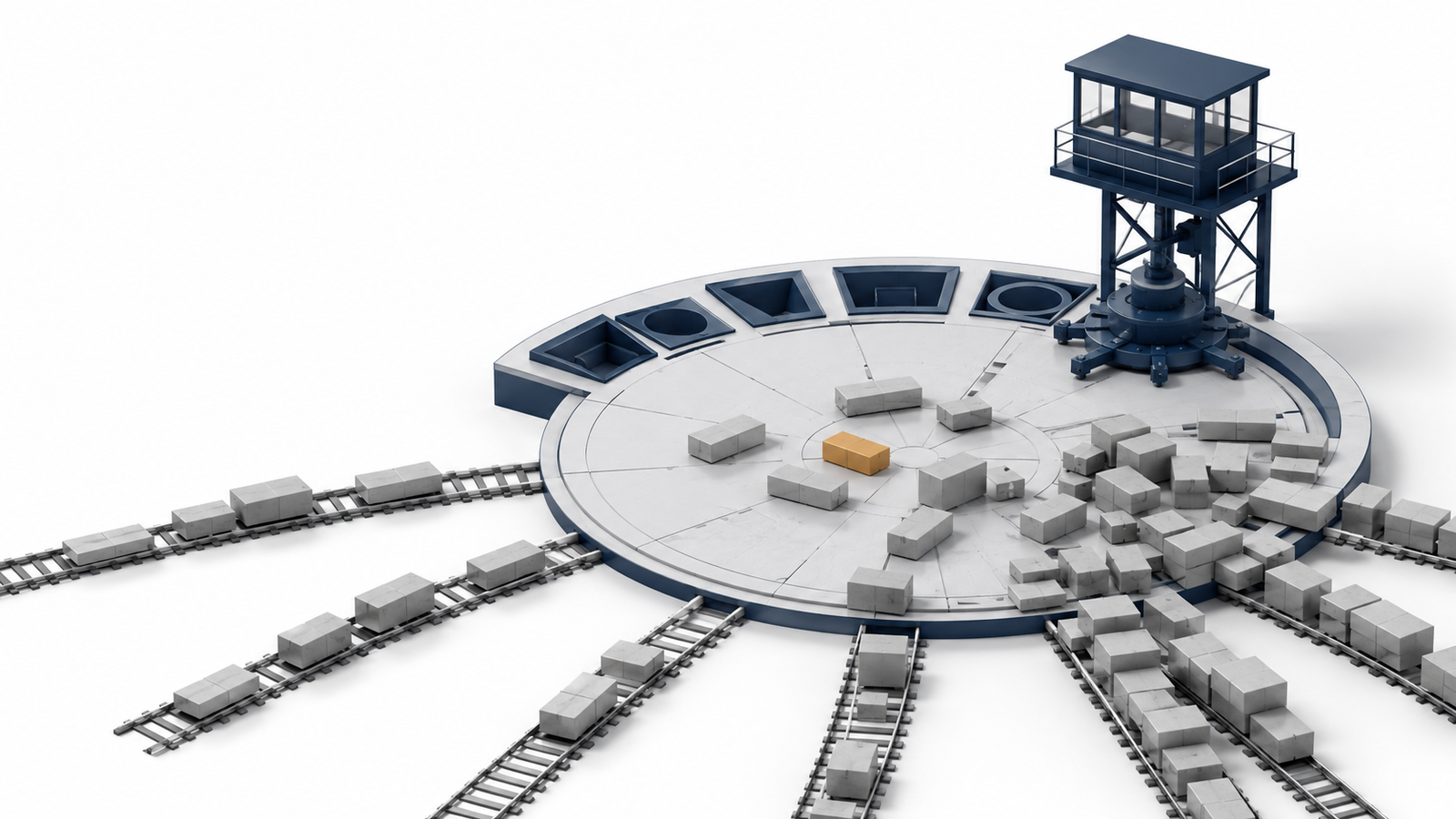
Power Platform intake ownership becomes critical when a central CoE receives more demand than its delivery process can confidently assess. The backlog may remain visible, discussed and actively managed while still containing requests that lack validation. This creates an uncomfortable distinction: the organisation can control delivery activity without controlling which demand becomes eligible for delivery. In that environment, backlog growth may signal an intake decision gap rather than only a shortage of capacity.
Observed Delivery Pattern
Power Platform intake ownership separates demand from commitment
In a manufacturing environment, plants may submit requests to a central IT-led Power Platform CoE. Those requests can vary in clarity, sponsorship, urgency and fit with existing capabilities. The supplied inputs indicate that the backlog increased materially under an unstructured intake process. They also identify the absence of intake validation ownership as the key constraint.
The pattern becomes visible when new requests enter the same queue as work that already has a defined problem, business owner and delivery basis. Teams may then spend review time clarifying submissions rather than making portfolio decisions. As a result, backlog volume stops representing a reliable view of delivery-ready demand.
This distinction matters because submission does not equal approval. Likewise, visibility does not equal validation. A request should enter prioritisation only after an accountable role confirms that it contains enough evidence for a portfolio decision.
Why Existing Controls Miss It
A CoE may maintain standards, solution inventories, architecture guidance and delivery reviews. Those controls remain useful, but they address different risks. They do not decide whether an incoming request deserves admission to the prioritised backlog.
Local business owners can explain operational needs, while architects can assess technical fit. Delivery teams can estimate effort once the request has sufficient definition. However, none of those activities creates intake accountability unless one role owns the final validation decision.
Microsoft’s guidance on Power Platform adoption roles supports the broader need to define responsibilities across adoption and delivery. Enterprises must still translate that principle into explicit portfolio decision rights for their own operating environment.
Without that translation, review activity can conceal the gap. Several stakeholders may comment on a request, but no one must decide whether it proceeds, returns for clarification, moves elsewhere or leaves the portfolio.
Structural Constraint
The constraint is not simply an incomplete form. It is the absence of a named owner who can apply an admission rule consistently. Power Platform intake ownership therefore requires both authority and an evidence standard.
The portfolio owner should define the admission policy and approve material exceptions. An accountable intake owner should apply that policy to each submission. Business sponsors should confirm the problem and ownership, while architecture owners should assess whether an existing capability can meet the need.
These roles should not create a committee decision for every request. Collective input can inform the decision, but one accountable role must record the outcome. Otherwise, unresolved demand remains inside the queue and continues to consume attention.
Operational and Financial Consequences
Unvalidated demand may consume delivery capacity before delivery begins. Teams can spend time clarifying scope, locating sponsors, checking duplication and revisiting earlier discussions. This effort may reduce the capacity available for approved work.
The pattern can also weaken forecast confidence. Leaders cannot reliably compare demand with capacity when the backlog mixes delivery-ready work with unresolved submissions. Estimates may change as teams discover missing requirements or overlapping capabilities.
In addition, unclear ownership may increase support and architecture exposure. A request without a committed business owner may later lack adoption or operational support. A request that bypasses capability checks may duplicate an existing solution or introduce avoidable data inconsistency.
These effects create a portfolio cost exposure that leadership should measure. The supplied inputs do not establish a financial value, timeframe or quantified improvement. However, clearer intake ownership can improve the conditions needed for more predictable delivery decisions.
Required Enterprise Control
The enterprise should place one validation checkpoint between demand submission and prioritisation. The checkpoint should produce a recorded decision, not another discussion. The following model provides a reusable starting point for backlog stabilisation.
| Decision | Required evidence | Accountable owner | Possible outcome |
|---|---|---|---|
| Validate business demand | Defined problem, sponsor and intended capability | Intake owner | Accept or return for clarification |
| Check capability fit | Relevant existing solutions and architecture constraints | Architecture owner | Proceed, redirect or combine |
| Admit to prioritisation | Validation record and confirmed ownership | Intake owner | Enter prioritised backlog or remove |
| Approve an exception | Reason, risk, owner and review condition | Portfolio owner | Approve, revise or reject exception |
The CoE should keep validation separate from prioritisation. Validation determines whether a request qualifies for comparison. Prioritisation determines when valid demand should receive capacity.
Signals Leadership Should Monitor
Leadership should establish a baseline before setting thresholds. Recommended measures include:
- Percentage of requests passing validation before prioritisation
- Number of requests requiring material clarification
- Intake decision lead time by request type
- Backlog ageing by validation status
- Ownership coverage across active backlog requests
- Requests redirected to an existing enterprise capability
Together, these measures help leadership distinguish demand pressure from control failure. They also show whether Power Platform intake ownership operates as a real decision right or only a documented responsibility.
PowerFy Perspective
A Backlog Stabilization Sprint should examine backlog composition, admission evidence, decision rights and ownership coverage. It should clarify who validates requests, who approves exceptions and when work becomes eligible for prioritisation. The practical output should be a defined intake checkpoint, an accountability model, decision outcomes and a measurement set that leadership can apply without relying on informal review activity.
About PowerFy
PowerFy is an enterprise Power Platform transformation partner. We help organisations stabilise delivery backlogs, establish enforceable governance, prepare operating environments for Copilot and scale Power Platform delivery across distributed teams.